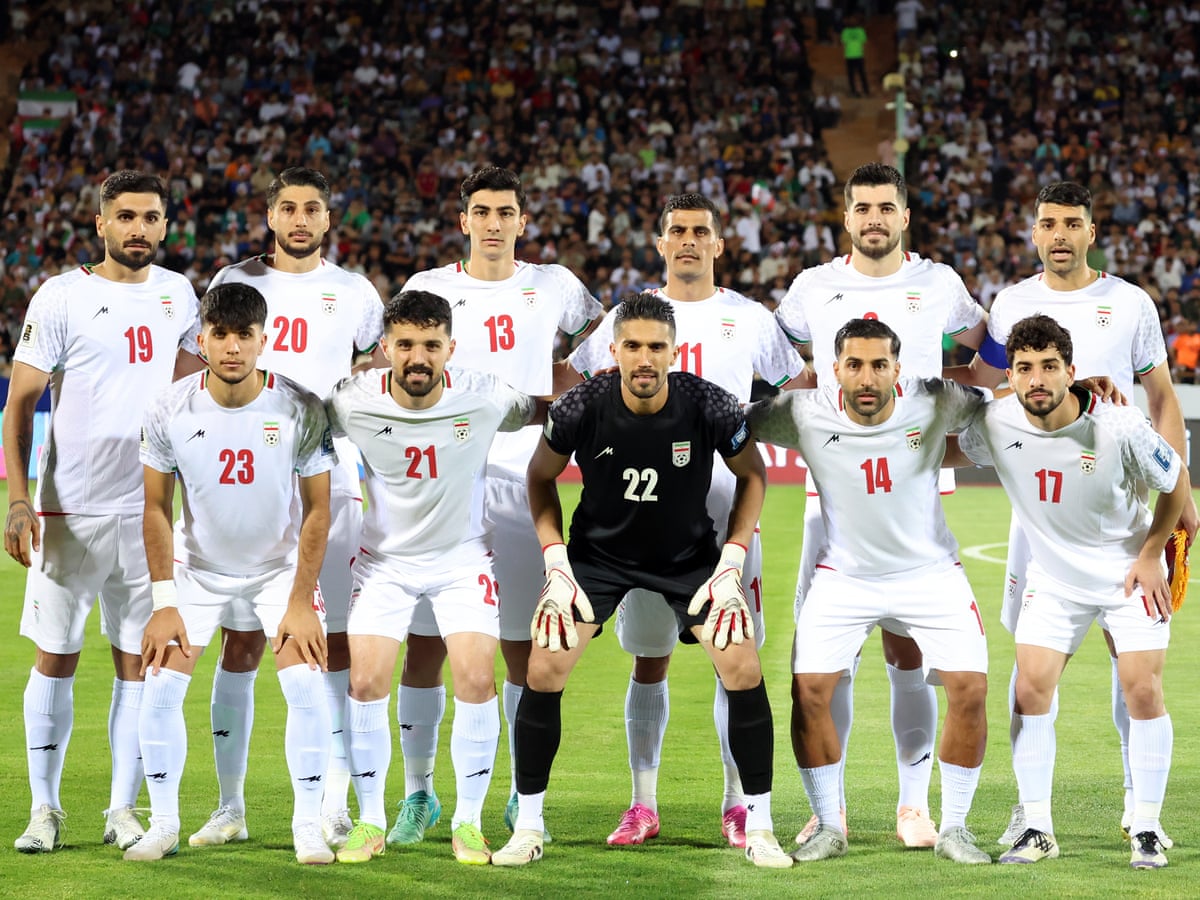
While other nations battle for victories on the field at the 2026 FIFA World Cup, Iran has found itself playing two matches at the same time — one on the pitch and another off it. Team Melli entered the tournament facing visa challenges, strict travel requirements, and political circumstances that have made their journey very different from that of many other teams competing in the finals.
Iran’s preparations were disrupted early when their players received U.S. entry visas only a few days before their opening match. Some team officials and staff also faced difficulties obtaining travel permits, while special travel arrangements forced the squad to shuttle repeatedly between the United States and Mexico without sufficient time to rest. Head coach Amir Ghalenoei openly expressed his dissatisfaction with the situation, emphasizing that his team had been among those facing the most difficult conditions in the tournament.
However, the biggest challenge may not be visas or travel. Within Iran itself, the World Cup has arrived at a time when many citizens are struggling with difficult economic and social conditions. Several people interviewed by the media said that after months of living amid attacks, conflicts, and rising living costs, following the World Cup felt more like a luxury than a priority. Others explained that daily hardships had significantly diminished the joy they once found in football.
The same situation has been evident among Iranians living abroad. In Los Angeles, home to one of the largest Iranian expatriate communities, opinions about the national team have been divided. Some view Team Melli as a representative of their homeland and a source of unity, while others refrain from supporting the team because of their political differences with the country's government. This division has made Iran one of the teams generating the most discussion off the field at this World Cup.
The tension became particularly visible before Iran’s opening match against New Zealand in Los Angeles. Some fans were seen waving flags associated with Iran before the 1979 Islamic Revolution, something FIFA regarded as carrying a political message. Despite restrictions imposed on political expressions, the debate continued, highlighting how football remains part of broader conversations about national identity and Iranian politics.
Amid all these circumstances, Iran has continued to demonstrate strong competitiveness on the field. They earned a 2–2 draw against New Zealand before securing another goalless draw against Belgium in a match where they displayed impressive tactical discipline and defensive organization. Those results have left the team with a chance to fight for a place in the knockout stage in their final group match against Egypt.
Now, all eyes are on that decisive encounter. For Iran, victory would not only mean advancing in the tournament. It would also symbolize the team's ability to remain resilient amid the political, economic, and social challenges surrounding their nation. In a World Cup filled with many stories, Iran’s narrative has become about more than football — it is the story of a nation searching for a reason to unite while the whole world watches.